Case Study: Successful Logistics Solutions for Local Businesses


Introduction
In today's fast-paced market, local businesses face numerous challenges in logistics and supply chain management. However, innovative solutions have emerged to address these challenges effectively. This case study explores successful logistics strategies implemented by local businesses, highlighting the key components that contribute to their success.
Understanding Local Business Needs
Local businesses often operate on tighter margins and require customized logistics solutions. Understanding their unique needs is crucial for developing effective strategies. Key factors include:
- Proximity to customers: Ensuring quick delivery times.
- Cost-efficiency: Reducing expenses without compromising service quality.
- Scalability: Adapting to changing demands and growth.
Challenges in Local Logistics
Local businesses frequently encounter challenges such as limited resources, fluctuating demand, and competitive pressures. Overcoming these obstacles requires innovative approaches and technology-driven solutions.

Innovative Solutions Implemented
Several local businesses have embraced cutting-edge technologies and processes to enhance their logistics operations. Key innovations include:
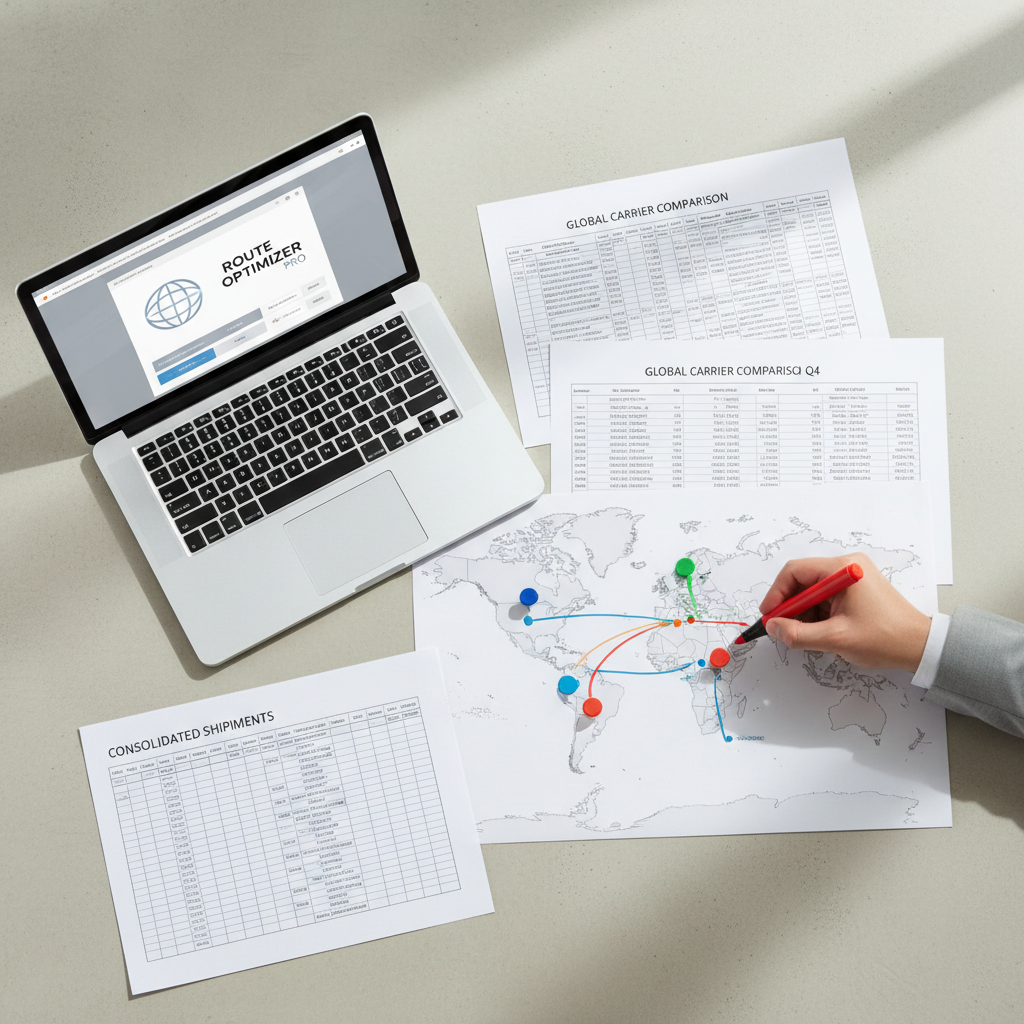
- Real-time tracking systems: Enabling businesses to monitor shipments and optimize routes.
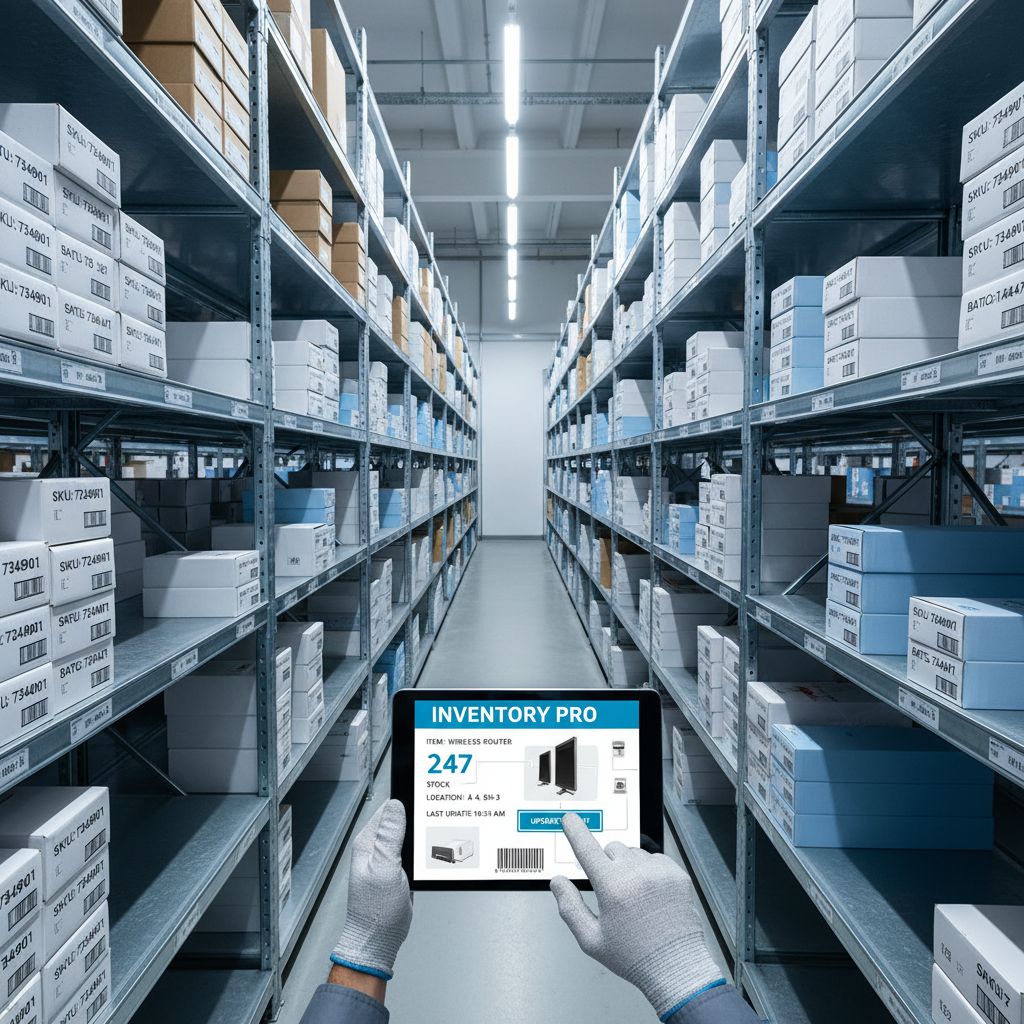
- Automated inventory management: Reducing errors and improving efficiency.
- Collaborative partnerships: Working with local suppliers and delivery services to streamline operations.
Case Study: Local Retailer
One local retailer tackled logistics challenges by implementing a comprehensive tracking system and partnering with nearby delivery services. This approach not only reduced delivery times but also improved customer satisfaction significantly.
Measuring Success
Success in logistics solutions is often measured by key performance indicators (KPIs) such as delivery time, cost savings, and customer feedback. The local retailer observed a 30% increase in delivery efficiency and a 20% reduction in logistics costs within six months.
Customer Feedback and Adaptation
Feedback from customers plays a vital role in refining logistics processes. By actively seeking and responding to customer input, businesses can continuously improve their logistics strategies and maintain a competitive edge.

Conclusion
The case study of local businesses reveals that adopting innovative logistics solutions can significantly enhance efficiency and customer satisfaction. By focusing on tailored strategies and leveraging technology, local businesses can overcome logistical challenges and achieve sustainable growth.