Expert Tips for Efficient Freight Management


Understanding Freight Management
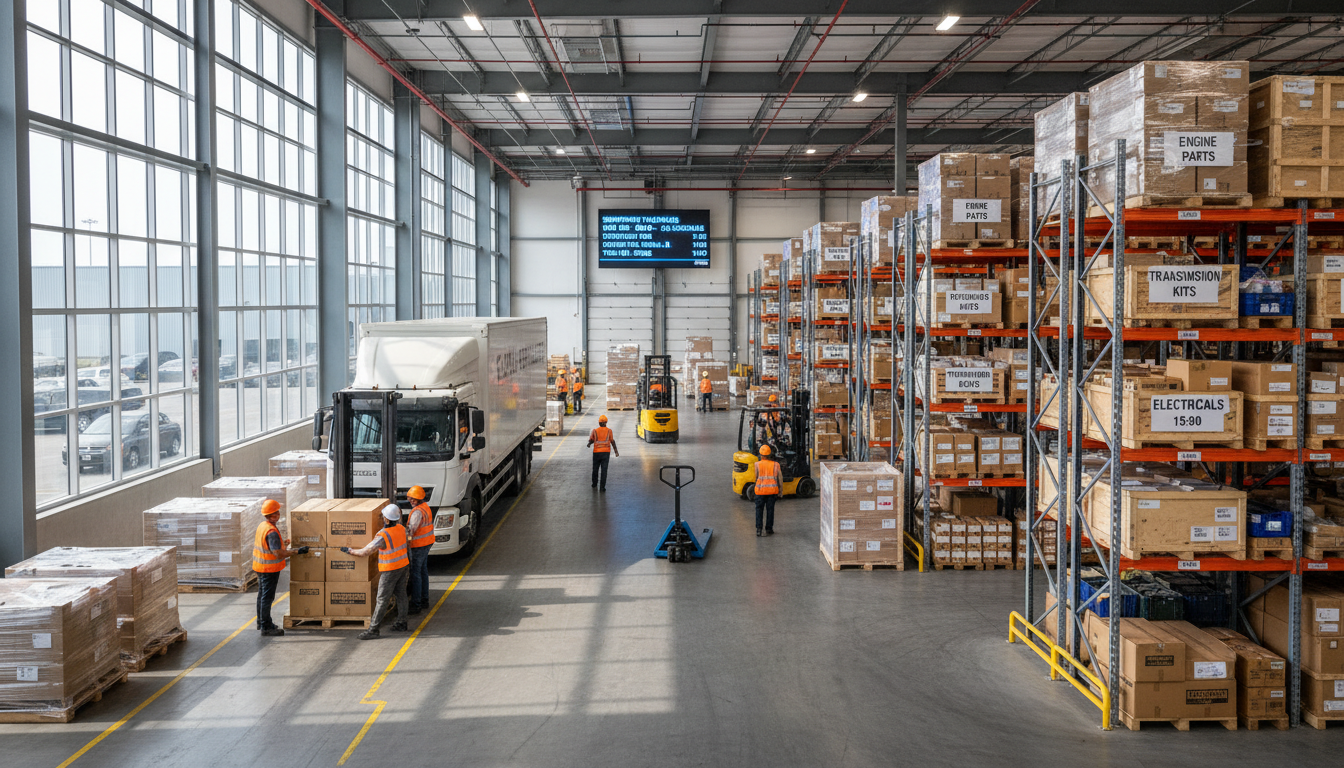
Freight management is a crucial aspect of the supply chain that involves overseeing and coordinating the transportation of goods. Efficient freight management ensures that products are delivered on time, within budget, and in good condition. By optimizing this process, businesses can enhance productivity and reduce costs.
Leverage Technology
One of the most effective ways to improve freight management is by leveraging technology. Implementing a Transportation Management System (TMS) can streamline operations by providing real-time tracking, route optimization, and automated documentation. These systems help in reducing errors and improving communication between all parties involved.
Furthermore, using data analytics can provide insights into shipping patterns and help identify areas for improvement. By analyzing historical data, businesses can make informed decisions that lead to cost savings and enhanced efficiency.
Enhance Communication
Clear and consistent communication is vital in freight management. Establishing strong relationships with carriers and suppliers ensures that everyone is on the same page. Regular updates and feedback loops can prevent misunderstandings and delays.

Optimize Routes
Optimizing shipping routes is essential for reducing transit times and fuel costs. Utilizing route optimization software can help identify the most efficient paths, taking into account variables such as traffic, weather, and road conditions. This not only saves time but also contributes to environmental sustainability by reducing carbon emissions.
Additionally, consider consolidating shipments whenever possible. By combining smaller shipments into one larger load, companies can benefit from reduced shipping costs and improved efficiency.
Focus on Carrier Selection
Choosing the right carriers is a critical component of efficient freight management. Evaluate carriers based on their reliability, cost, and capacity to handle specific types of freight. Establishing long-term partnerships with reliable carriers can lead to better service and more favorable rates.

Implement Performance Metrics
Tracking performance metrics is essential for continuous improvement in freight management. Key performance indicators (KPIs) such as on-time delivery rates, freight cost per unit, and transit time can provide valuable insights into operational efficiency. Regularly reviewing these metrics allows businesses to identify areas for improvement and make necessary adjustments.
By focusing on these expert tips, companies can significantly enhance their freight management processes, leading to increased customer satisfaction and a stronger bottom line.