How to Prepare Your Fleet for Seasonal Changes in Riverside County


Understanding the Impact of Seasonal Changes
In Riverside County, the transition from one season to another can significantly impact fleet operations. Whether it’s the heat of summer or the cooler months of winter, each season presents unique challenges that require proactive preparation. Understanding these changes is crucial for maintaining fleet efficiency and safety.
Seasonal changes can affect vehicle performance, fuel efficiency, and overall maintenance needs. Being aware of these factors allows fleet managers to anticipate problems and implement solutions before they escalate into costly repairs or downtime.
Conduct Regular Inspections
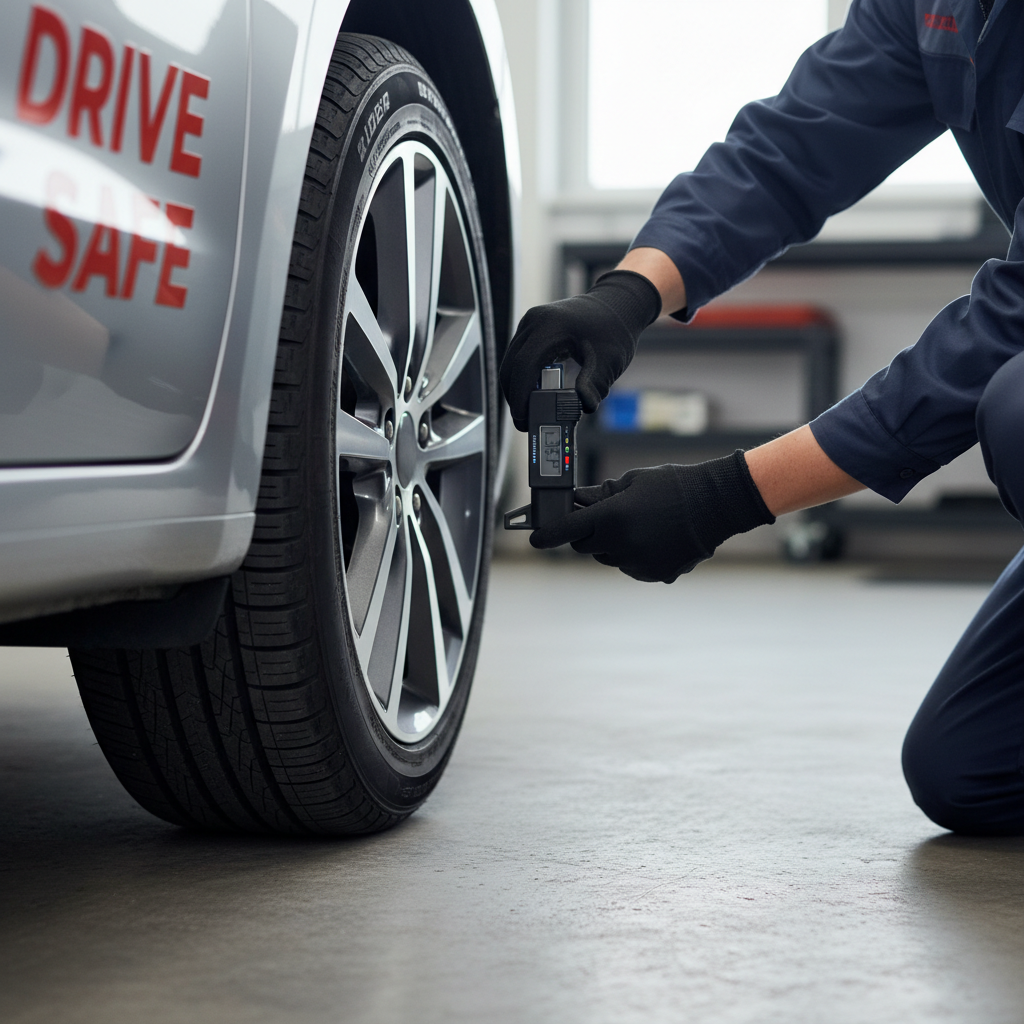
Regular inspections are vital to ensure that your fleet is ready for any seasonal shift. Before a new season begins, conduct a thorough check of each vehicle. Pay special attention to critical components such as brakes, tires, and fluid levels. These elements are often the first to feel the effects of temperature fluctuations.
Creating a detailed inspection checklist can help streamline this process. This checklist should cover all essential aspects, including tire pressure, battery health, coolant levels, and windshield wiper functionality. Regular inspections not only enhance safety but also extend the lifespan of your vehicles.
Optimize Tire Maintenance
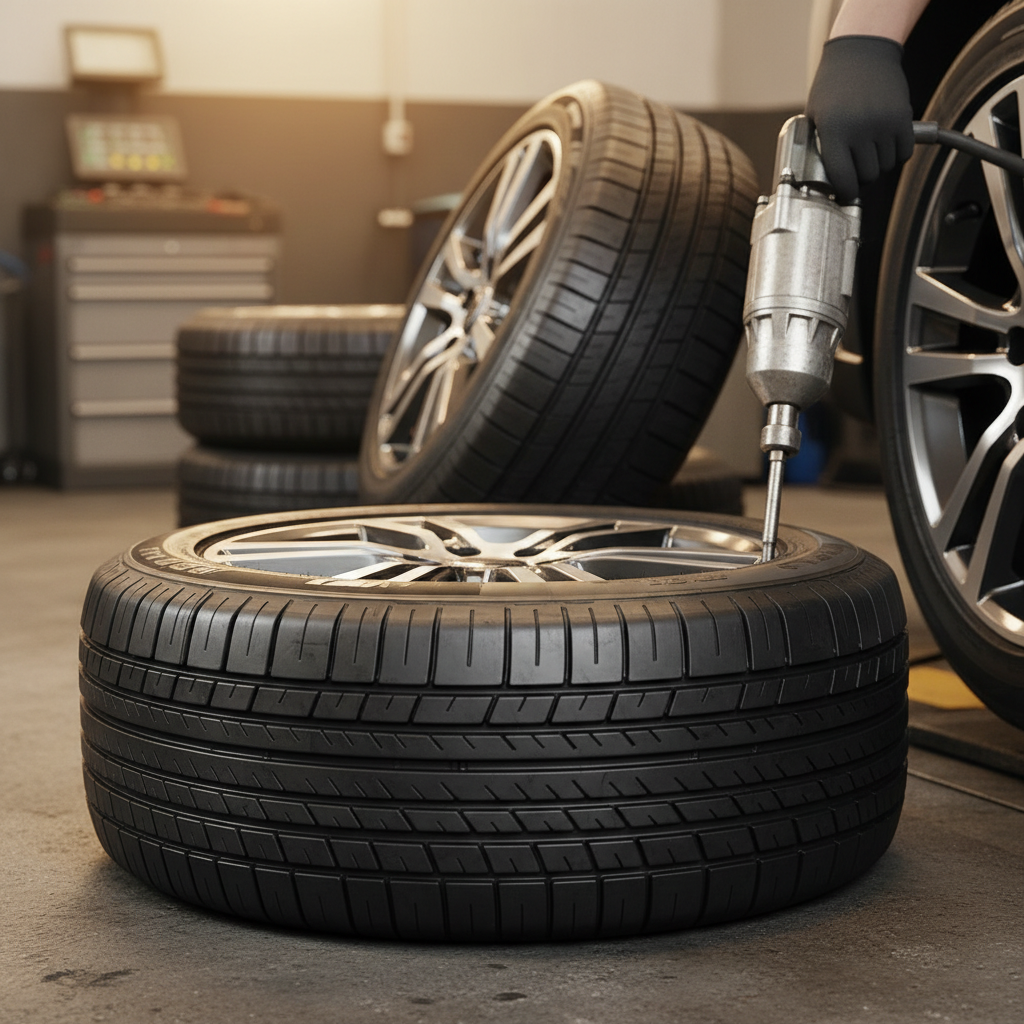
Tires are a critical component that can be heavily influenced by seasonal changes. In Riverside County, where temperatures can vary greatly, maintaining optimal tire pressure is crucial. Under-inflated or over-inflated tires can lead to poor fuel efficiency and increased wear and tear.
Consider switching to seasonal tires if your fleet operates in areas with extreme weather conditions. Additionally, ensure that the tread depth is adequate to handle wet or slick roads. Proper tire maintenance improves vehicle safety and performance, regardless of the season.
Adjust Fluid Levels and Types
Fluid levels and types should be adjusted according to the season. In warmer months, the engine may require different oil viscosity compared to cooler months. Ensuring that coolant levels are adequate is also essential to prevent overheating during the summer.
Check and replace other fluids, such as brake fluid and windshield washer fluid, as needed. Using the appropriate fluids for each season helps optimize vehicle performance and reduce the likelihood of breakdowns.
Train Your Drivers
Driver training is an often-overlooked aspect of preparing fleets for seasonal changes. Educating drivers on the specific challenges each season presents can greatly enhance safety and efficiency. For instance, training them on how to handle vehicles on wet roads or during foggy conditions can prevent accidents.
Additionally, encourage drivers to report any issues immediately. Prompt reporting allows for quicker maintenance responses, reducing the risk of minor problems becoming major repairs.

Utilize Technology for Monitoring
Modern technology offers tools that can help fleet managers monitor vehicle performance and environmental conditions. Telematics systems, for example, provide real-time data on vehicle health and driver behavior. This information can be invaluable in predicting maintenance needs and identifying areas for improvement.
Implementing a telematics system can help you stay ahead of potential issues and ensure that your fleet is always in optimal condition, regardless of the season.
By taking these steps, fleet managers in Riverside County can effectively prepare their vehicles for the challenges posed by seasonal changes. Regular maintenance, driver training, and the use of technology are key strategies to ensure safety, efficiency, and longevity of your fleet.