The Impact of Technology on Modern Trucking: Trends and Innovations


Introduction to Technological Advancements in Trucking
The trucking industry has undergone a remarkable transformation in recent years, driven by the rapid advancement of technology. From autonomous vehicles to real-time tracking, these innovations are reshaping the landscape of modern trucking. As we explore these trends, it's essential to understand their profound impact on efficiency, safety, and sustainability.
Autonomous Vehicles: The Future of Trucking
One of the most groundbreaking innovations in the trucking sector is the development of autonomous vehicles. Self-driving trucks are no longer a distant dream; they are being tested and implemented on roads today. These vehicles promise to enhance safety by reducing human error and optimizing fuel efficiency, thereby cutting operational costs.
Moreover, autonomous trucks can operate continuously, reducing downtime and ensuring faster delivery times. This capability is especially beneficial in long-haul trucking, where driver fatigue is a significant concern.
Real-Time Tracking and Fleet Management
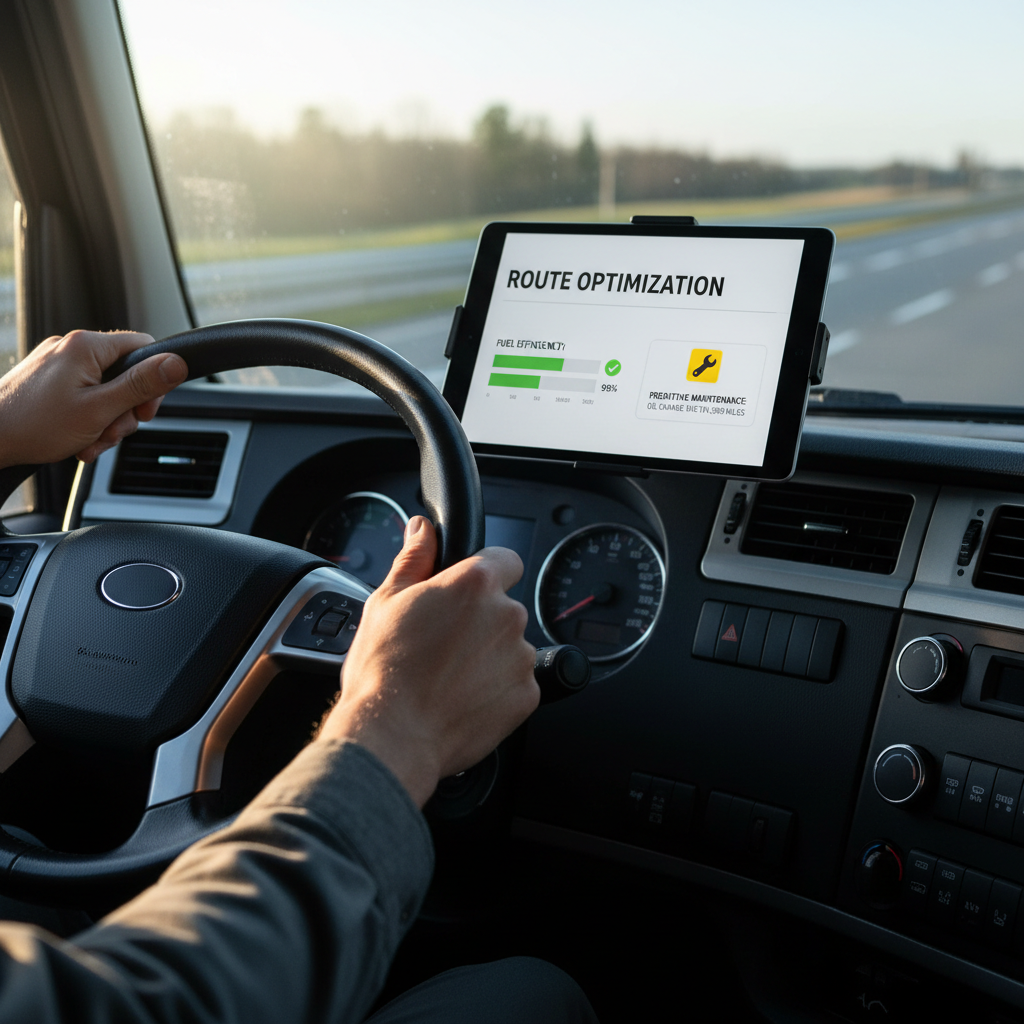
Real-time tracking technology has revolutionized how trucking companies manage their fleets. GPS systems and telematics allow for constant monitoring of vehicle locations and conditions. This technology provides valuable data insights, enabling companies to improve route planning and reduce fuel consumption.

Fleet management software also helps in maintaining vehicles, predicting potential breakdowns before they occur, and scheduling preventive maintenance. This proactive approach reduces unexpected delays and enhances reliability.
The Role of Artificial Intelligence and Machine Learning
Artificial intelligence (AI) and machine learning are playing pivotal roles in modern trucking. These technologies facilitate data analysis, helping companies predict demand, optimize routes, and improve decision-making processes. AI algorithms can analyze traffic patterns and weather conditions, suggesting alternative routes to avoid delays.
Furthermore, AI-driven platforms can enhance customer service by providing accurate delivery estimates and real-time updates, improving overall customer satisfaction.

Enhancing Safety and Compliance with Technology
Safety is a top priority in the trucking industry, and technology is significantly contributing to safer roads. Advanced driver assistance systems (ADAS) include features like lane-keeping assistance, collision avoidance, and adaptive cruise control. These systems help in reducing accidents and ensuring compliance with safety regulations.
Additionally, electronic logging devices (ELDs) are now mandatory in many regions, ensuring drivers adhere to hours-of-service regulations. This technology helps prevent driver fatigue and promotes safer driving practices.
Sustainability and Environmental Impact
With growing concerns about environmental sustainability, the trucking industry is adopting eco-friendly practices. Electric trucks are emerging as a viable alternative to traditional diesel-powered vehicles, reducing carbon emissions and lowering fuel costs.

Innovative technologies, such as aerodynamic designs and lightweight materials, are also contributing to fuel efficiency and reduced environmental impact. These advancements are paving the way for a greener future in trucking.
Conclusion: The Road Ahead
The impact of technology on modern trucking is profound and far-reaching. As the industry continues to embrace these innovations, we can expect further improvements in efficiency, safety, and sustainability. For trucking companies, staying abreast of these trends is crucial to remain competitive in an ever-evolving market.
The road ahead is promising, with technology driving the trucking industry towards a more efficient and sustainable future.