Top FAQs About Trucking and Logistics Answered


Understanding the Basics of Trucking and Logistics
The trucking and logistics industry is a vital component of the global supply chain, ensuring goods are transported efficiently from one location to another. But many people have questions about how it all works. In this blog post, we'll answer some of the most frequently asked questions to help you better understand this complex field.
What is Logistics?
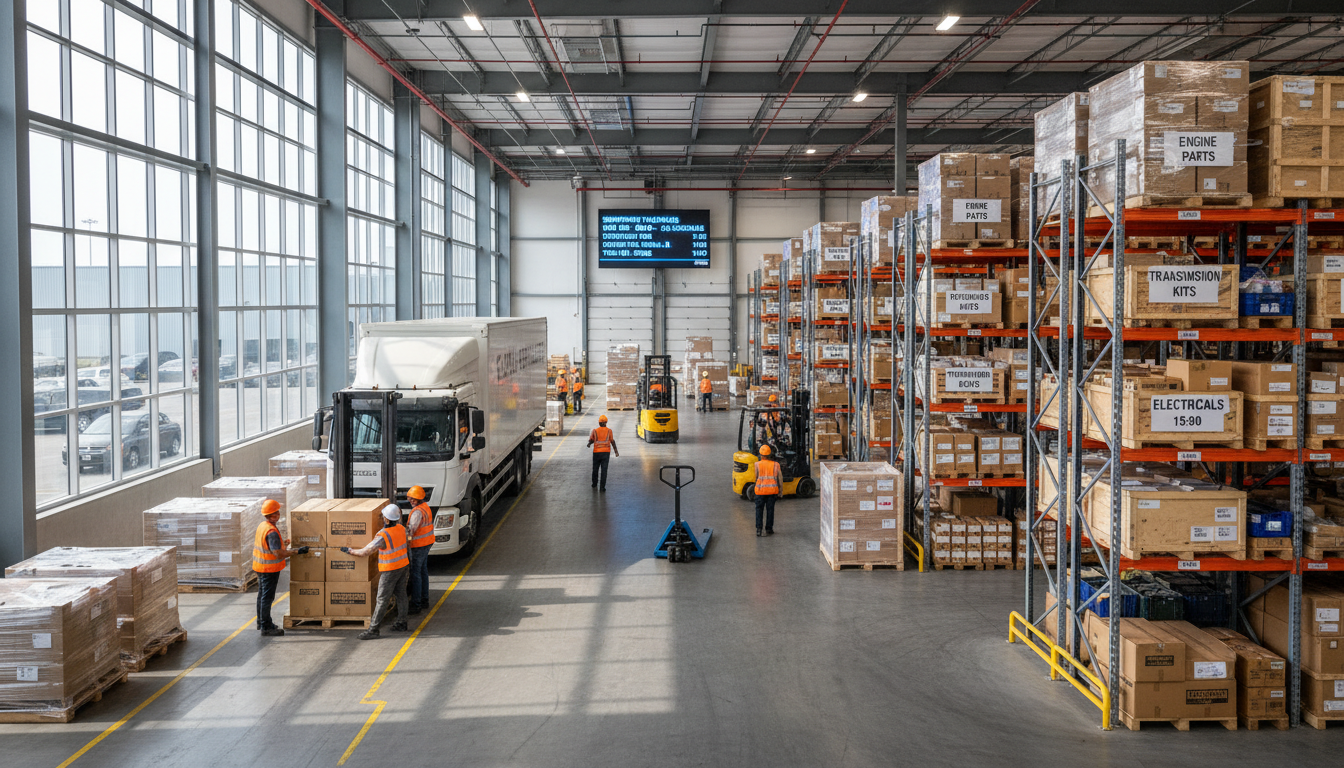
Logistics involves the detailed coordination of complex operations involving people, facilities, and supplies. In the trucking industry, logistics refers to the planning, execution, and management of transporting goods. This includes everything from route planning to ensuring timely delivery.
How Does the Trucking Industry Operate?
The trucking industry operates through a network of carriers, drivers, and logistics companies that work together to move goods. Carriers hire drivers to transport goods, while logistics companies plan and manage the routes, schedules, and other aspects of transportation. This collaboration ensures that products reach their destinations efficiently.
Common Challenges in Trucking and Logistics
What Are the Biggest Challenges Faced by the Industry?
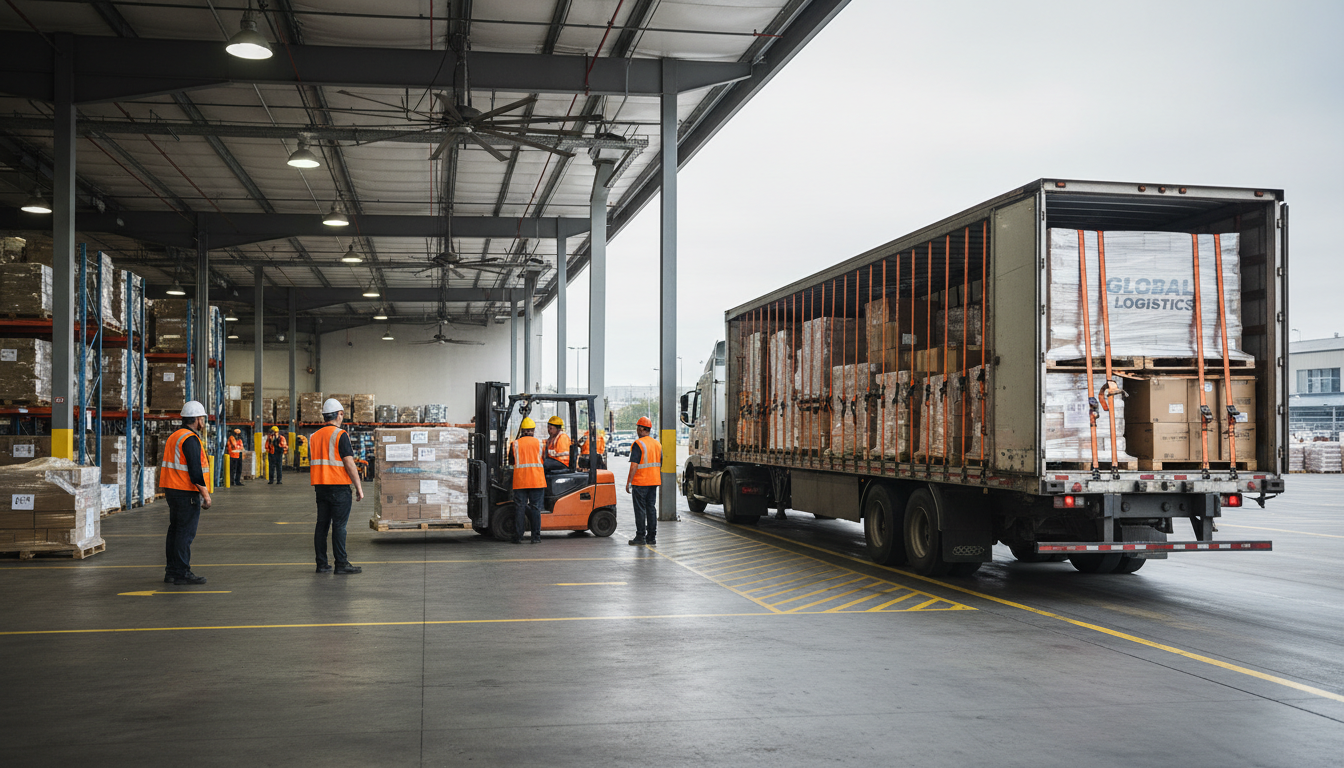
The trucking and logistics industry faces several challenges, including:
- Driver Shortages: There is a growing demand for qualified drivers, which can lead to delays and increased costs.
- Fuel Costs: Fluctuating fuel prices can significantly impact operating expenses.
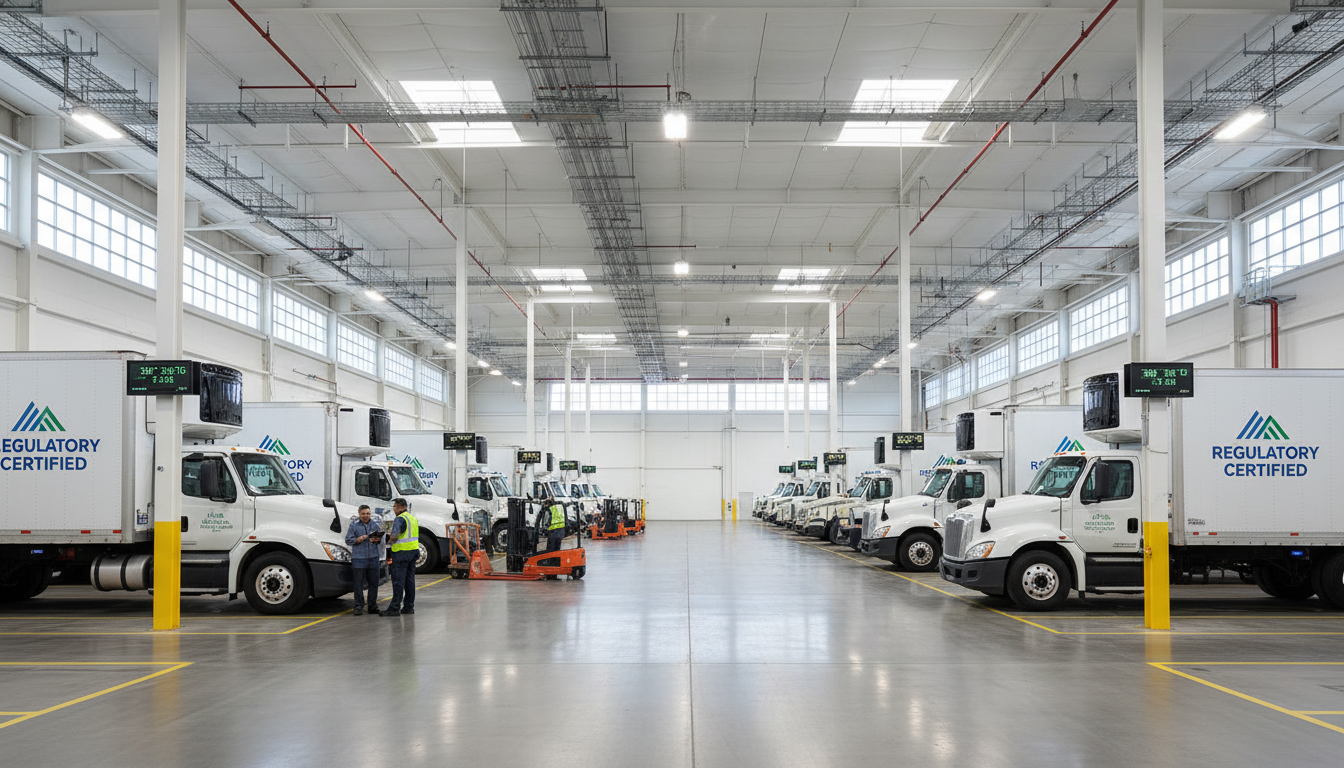
- Regulatory Compliance: Navigating regulations and ensuring compliance can be complex and time-consuming.
How Is Technology Impacting the Industry?
Technology is transforming the trucking and logistics industry by increasing efficiency and reducing costs. Innovations such as GPS tracking, route optimization software, and automated systems are helping companies streamline operations and provide better service to their clients.

Tips for Choosing the Right Logistics Partner
What Should You Look for in a Logistics Partner?
When selecting a logistics partner, it's important to consider several factors:
- Experience: Look for a company with a proven track record in the industry.
- Technology: Ensure they use up-to-date technology to manage logistics effectively.
- Customer Service: A responsive and supportive customer service team is essential for smooth operations.
Why Is Reliability Important?
Reliability is crucial in logistics because it directly affects your business operations. A reliable logistics partner ensures on-time deliveries, reducing the risk of supply chain disruptions and keeping your customers satisfied.
We hope this FAQ has provided insights into the trucking and logistics industry. Understanding these key aspects can help you make informed decisions and optimize your supply chain operations.